Hey there, mamas (and any dads sneaking a peek—welcome!).
Can we just pause for a second and name the swirl of feelings that come with this season? One minute you’re soaking up the last of the toddler years which include sticky kisses, endless “watch this!,” and those chubby little hands reaching for yours…and the next you’re staring at preschool enrollment forms wondering how your baby got so big so fast. I’ve walked this road with my girls, and I remember the mix of excitement and that little lump in my throat all too well. Preschool is a beautiful next step, but the getting-ready part can feel overwhelming if we let it. The good news? You don’t need expensive programs or a Pinterest-perfect checklist. Most of what helps kids thrive is simple, everyday stuff we can do right at home.
Here’s what’s helped our family (and the many families I’ve walked alongside through early intervention work and Kindergarten Preparatory Academy) feel more prepared and a whole lot less stressed.
1. Build Independence in the Little Things
Preschool teachers will tell you the kids who settle in fastest are often the ones who can handle basic self-care. Start practicing now in low-pressure ways:
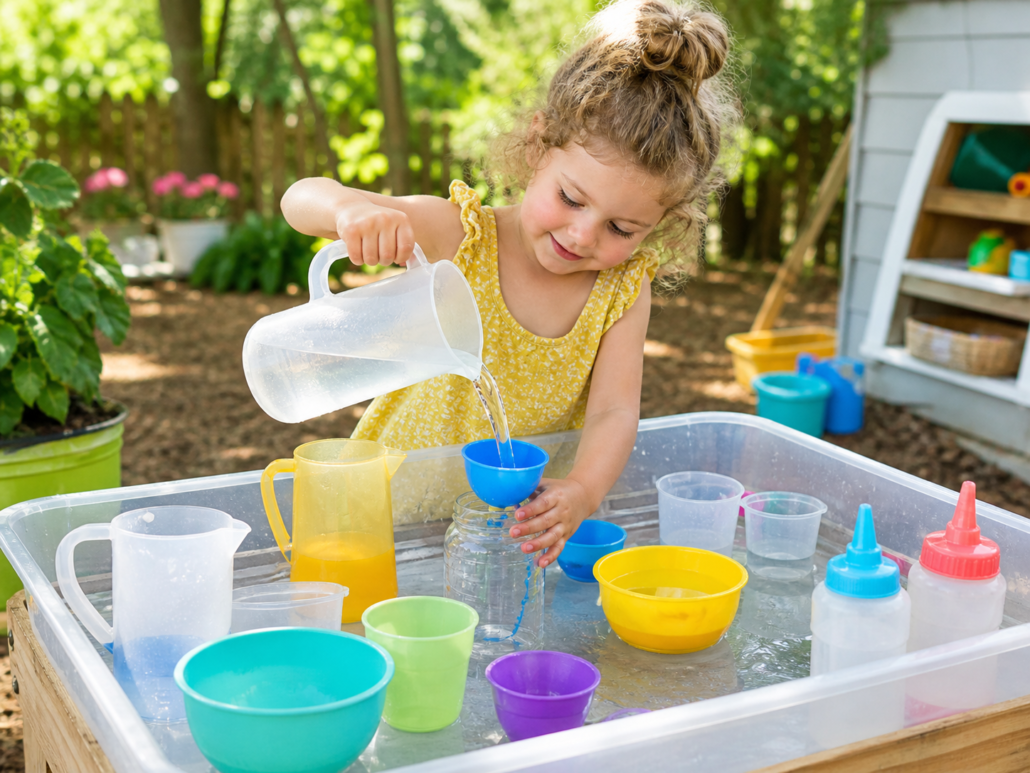
- Let them put on their own shoes and coat (even if it takes forever and the shoes end up on the wrong feet).
- Practice opening lunch containers, zipping backpacks, and washing hands thoroughly.
- Work on potty independence if you’re not quite there yet…accidents are still normal, but confidence in the bathroom goes a long way.
These skills build real confidence. Every “I did it myself!” moment is banked for that first drop-off.
2. Practice Separation Gently
Separation anxiety is real—for both of you. Start small:
- Short playdates or library story times where you stay nearby at first, then step out for a few minutes.
- Create a consistent goodbye ritual (a special hug, a phrase like “I’ll be back after snack,” or a little heart drawn on their hand). Keep it short and positive…no lingering or sneaking away.
- Read books about going to school and talk about what the day might look like in simple, exciting terms.
Kids take their emotional cues from us. If we can stay calm and confident (even when our hearts are doing flips), they usually follow.
3. Strengthen Social and Emotional Muscles Through Play
Preschool is full of sharing, taking turns, listening to a teacher, and managing big feelings. Play is the perfect practice ground:
- Host short playdates or visit the park and coach through conflicts (“It looks like you both want the truck. What could we try?”).
- Name emotions out loud: “You’re feeling frustrated because the block tower fell. That’s hard.”
- Play simple games that involve waiting, following directions, or cooperating (“Simon Says,” board games with easy rules, or building something together).
Remember: play is the work of childhood. It teaches problem-solving, communication, and self-regulation better than any worksheet ever could.
4. Ease Into Routines
A predictable rhythm helps kids feel secure when everything else is new.
- Start shifting bedtime and wake-up times closer to the school schedule a couple of weeks out.
- Practice a simple morning routine: get dressed, eat breakfast, brush teeth, pack bag.
- Talk about the school-day flow in positive language: “After circle time comes outside play…your favorite!”
5. Keep Academics Playful (and Pressure-Free)
Gentle exposure helps:
- Read together every day and talk about the pictures and story.
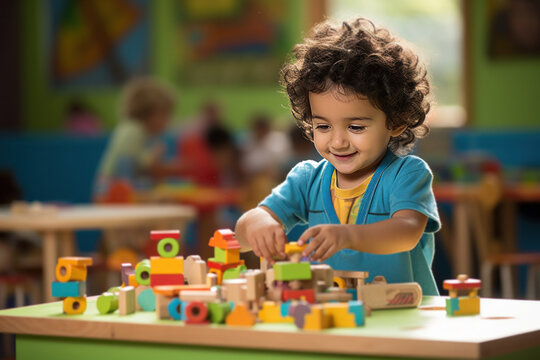
- Count stairs, sort socks by color, or play with letter magnets on the fridge.
- Offer crayons, scissors (with supervision), and playdough to build those fine-motor muscles.
If your child shows interest, great. If not, that’s okay too. Curiosity grows best without pressure.
A Note for the Mamas (Because This Is Hard on Us Too)
It’s completely normal to grieve the end of the “all-day-with-me” stage while also feeling proud and excited. Give yourself permission to feel both. Reach out to other moms who’ve been there. And remember…you’re not sending them off forever. You’re giving them the gift of new friends, new skills, and the knowledge that they are capable.
You’ve already done the most important preparation work simply by loving them well. The rest is just practice.You’ve got this, mama. And so does your little one.
What part of getting ready for preschool feels biggest for you right now? Drop it in the comments—I’d love to cheer you on or share what’s worked for us.
With love and a little extra tea,
Mary

0 Comments